

Obesity, characterised by excessive body fat, is on the rise. Colon and rectal (Colorectal) cancers are one of the most common cancers in the world. There is now a direct connection between obesity and the risk of developing colorectal cancers.
Obesity increases the risk of colorectal and other gastrointestinal cancers by 50% according to a study by BGI Genomics.
Factors like chronic inflammation, hormonal imbalances, and elevated insulin levels due to obesity, combined with a Western diet and lifestyle, contribute to the incidence of colorectal cancers. Disrupting this link, potentially through interventions like bariatric surgery, is crucial.
Colon and Rectum Cancers
Colorectal Cancer (CRC) is the second leading cause of cancer death in people under 50 in the United States (American Cancer Society, 2024). This type of cancer typically develops from the polyps in the colon or rectum.
Individuals born in 1990 face significantly higher risks of developing colon and rectal cancers compared to those born in 1950.
The prevalence and early onset of colorectal cancer are growing in the United States and other countries. This condition disproportionately affects Black, Hispanic, Indigenous, and Asian communities more than others.
Symptoms to Look Out For
Early symptoms of colorectal cancer are often subtle or absent, which is why many cases go unnoticed until the disease has progressed. When symptoms do appear, they may include:
● Persistent changes in bowel habits
● Rectal bleeding or blood in the stool
● Ongoing abdominal discomfort or pain
● Unexplained weight loss
● Chronic fatigue
Obesity and Colorectal Cancers
Obesity is more than extra weight; it is a complex metabolic disease. It is one of the leading preventable risk factors for colorectal cancer. A study published in 2023 found that every 5-point increase in BMI raises colon cancer risk by 24% in men and 9% in women. Here are a few factors that obesity contributes to colon cancer:
- Increased insulin and insulin-like growth factor-1 (IGF-1) in the blood
- Chronic inflammation triggered by excess fat
- Imbalance in hormones, such as Leptin and Adiponectin
- Related conditions like type 2 diabetes
- Unhealthy diet patterns or a low-fiber diet
Ways to Prevent Colon Cancer

Here are 6 ways to prevent colorectal cancer:
- Schedule regular colonoscopies
- Increase physical activity
- Weight management such as weight loss surgery
- Smoking/alcohol cessation
- Manage diabetes/metabolic syndrome through medical treatment
- High fiber diet
The Critical Role of a High-Fiber Diet
While obesity and chronic inflammation are major contributors, your fiber intake plays a powerful role in supporting colon health and lowering cancer risk. When you consume a diet rich in fiber from sources like oats, lentils, beans, chia seeds, whole grains, fruits, and vegetables (specifically dark, leafy greens), you are essentially feeding the good bacteria in your gut. These microbes ferment the fiber, breaking it down into beneficial compounds, most notably Short-Chain Fatty Acids (SCFAs), such as butyrate.
SCFAs nourish colon cells, reduce gut inflammation, and have anti-cancer effects by inhibiting tumor growth and promoting the self-destruction of cancer cells.
Conversely, a low-fiber diet leads to “gut dysbiosis,” an imbalance where harmful bacteria thrive, increasing colon cancer risk through several mechanisms: increased inflammation that damages DNA and promotes cancer cell growth, production of cancer-causing substances by harmful bacteria, a weakened protective barrier in the colon, and increased exposure to carcinogens due to constipation.
The best way to help prevent dysbiosis is to gradually incorporate high-fiber foods into your daily diet, which supports healthy digestion and a balanced gut microbiome.
Consistently eating fiber-rich foods helps nourish beneficial gut bacteria and promotes overall good gut health.
Weight Loss Surgery Can Lower the Risk of Colon Cancer
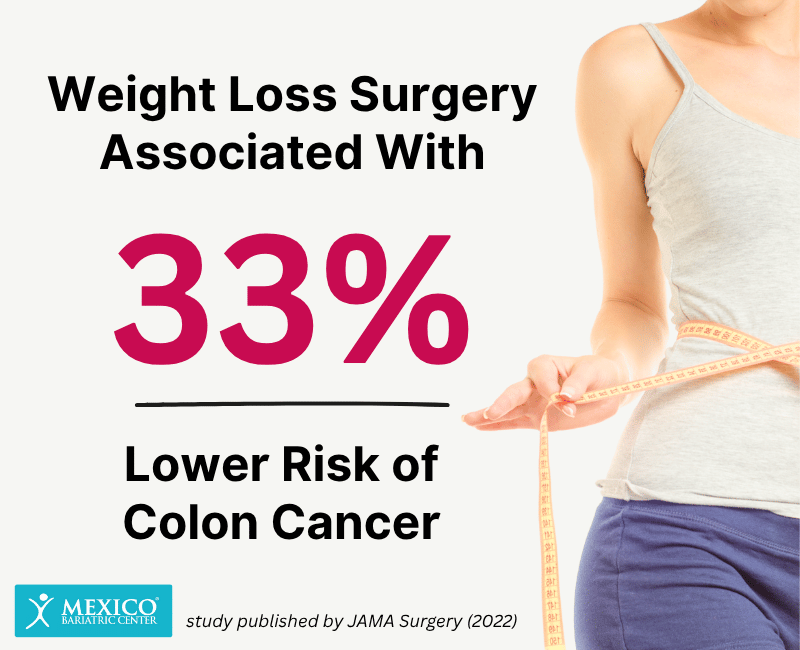
Bariatric surgery is not just a weight loss solution; it also offers significant health benefits, including a reduced risk of certain types of cancer. An extensive population-based study published in JAMA Surgery found that weight loss surgery was associated with a 33% lower risk of obesity-related cancers, including colorectal cancer.
Here’s how bariatric surgery helps reduce your risk:
- Lower Insulin Levels: Bariatric surgery improves insulin sensitivity and reduces circulating insulin and IGF-1 levels, hormones associated with cancer cell growth.
- Reduced Inflammation: Weight loss helps reduce chronic, low-grade inflammation, a key driver of cancer.
- Improved Gut Microbiome: Certain procedures, particularly gastric bypass, have been shown to positively alter the gut microbiome, thereby increasing the presence of beneficial bacteria.
- Sustainable Weight Loss: Achieving long-term weight loss results in reduced visceral fat, which in turn helps mitigate hormonal and metabolic disruptions.
If you’re considering weight loss surgery, Mexico Bariatric Center® offers a safe, trusted, and affordable alternative to undergoing surgery in the U.S. Patients can save up to 70% on bariatric procedures without compromising on quality or care. With a new, state-of-the-art Hospital Azar and comprehensive all-inclusive packages, MBC provides expert surgeons and full support to make your weight loss journey seamless.
Early Detection and Prevention Can Save Lives
Colon cancer is on the rise, especially among younger adults, and obesity is a key risk factor. Ongoing research is deemed crucial to develop more effective screening, prevention, and treatment strategies for early-onset gastrointestinal cancers. Unfortunately, younger individuals are more likely to experience delays in diagnosis, often resulting in detection at more advanced stages. This can make treatment more challenging and significantly impact outcomes, underscoring the vital importance of early awareness.
Regular colonoscopies, starting at age 45 or earlier, are highly recommended, particularly for individuals with risk factors.
For those struggling with excess weight, bariatric surgery may be a life-changing step, not only for long-term weight loss but also for reducing the risk of colorectal cancer. Taking action today could protect your health and save your life tomorrow.
Related Articles:


Leave A Comment